







Search Results for: milk purification
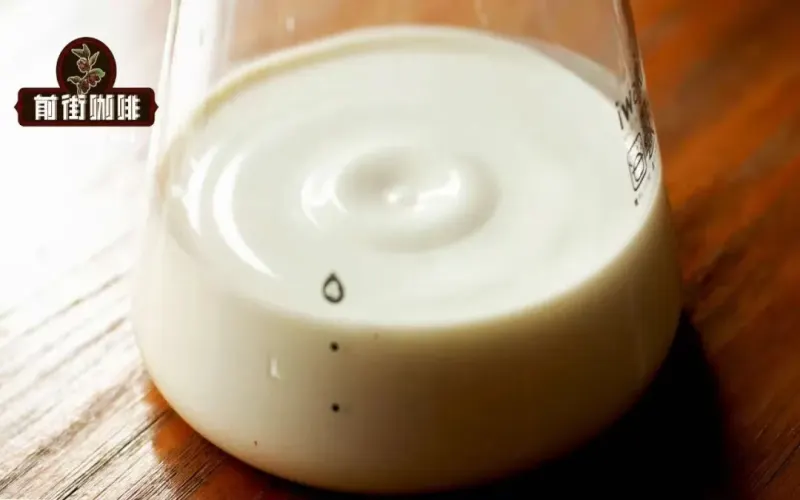
What Is Ice Breaker Purified Milk? A Guide to Making High-Concentration Fresh Milk at Home Using the Freeze Distillation Method for Dirty and Lattes
Front Street Coffee has frequently introduced ice bock—that is, purified milk—recently, and many friends want to know exactly how it differs from milk coffee made with ordinary fresh milk. Simply put, purified milk tastes richer, and its mouthfeel is fuller and more substantial. Besides buying it directly, you can actually easily make it at home: just freeze fresh milk and then thaw it, using the difference in freezing points among the components to remove some of the water, and you get milk with a higher concentration. In this article, Front Street Coffee will share the specific steps for purifying milk, how to judge the degree of purification, and how to adjust the ratios when using it to make milk coffees such as Dirty and latte, along with recommendations for coffee beans that pair well, to help you make a cup of rich yet not cloying purified milk coffee. [more…]
A Guide to Producing Purified Milk: Can Eisbock Be Used for Dirty and Lattes? A Full Analysis of the Freeze-Distillation Purification Method and Ratio Adjustments
Front Street has recently been sharing a lot about ice bock (concentrated milk), and quite a few friends are curious about how it actually differs from milk coffee made with regular fresh milk. Simply put, concentrated milk tastes richer and has a thicker mouthfeel. If you haven't tried it yourself, it's hard to imagine the texture, so you might as well make a cup and experience it. Besides buying ice bock online, you can also make it at home with just two steps: freezing and thawing. In this article, Front Street will break down in detail the principles of the freeze-concentration method, the key operational points, and separately explain the ratio strategies for using concentrated milk to make a Dirty and other milk coffees (such as lattes, flat whites, and cappuccinos)—for a Dirty, you can directly replace it in equal amounts, while for blended milk coffees, you need to adjust the amount of milk to avoid masking the coffee's flavor. It also retains product recommendations such as Front Street's classic blend and Queen's Estate SOE. [more…]

Making Purified Milk at Home: A Full Guide to Ice Beer Thawing Methods, Milk Extraction Ratios, and Storage Tips
In the world of milk coffee, espresso is certainly the soul, but the choice of milk is equally important. In recent years, Ice Blogger purified milk, with its rich, sweet, and fragrant taste, has moved from specialty coffee shops into home kitchens, becoming a staple ingredient for many coffee lovers. This article addresses common questions about homemade Ice Blogger: from its German origins and appearances at WBC competitions, to the specific steps of freeze purification; from the choice between 200ml small bottles and 1-liter packs, and the impact of a 40% to 60% milk extraction ratio on flavor, to the time differences and hygiene considerations between room temperature and refrigerated thawing; finally, it also compiles recommended storage periods for homemade Ice Blogger. Front Street Coffee, combined with comparative experiments, provides a complete guide for friends who want to replicate Ice Blogger milk coffee at home. [more…]
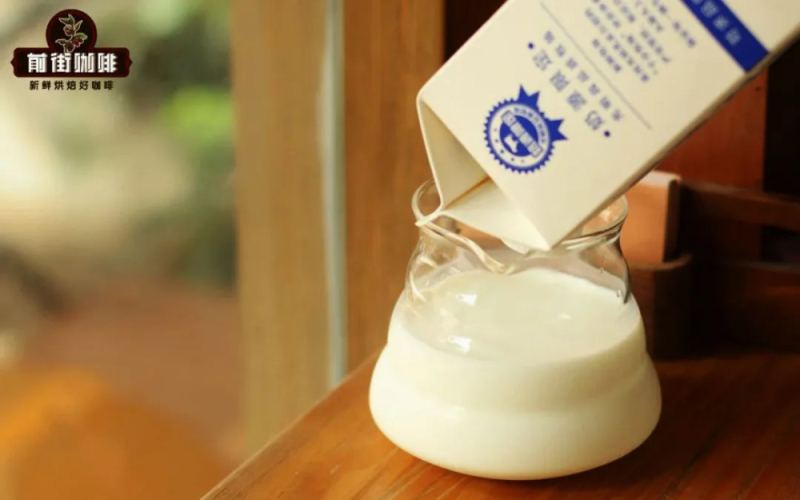
Can IceBock milk be drunk directly? A hands-on guide to making your own IceBock Dirty coffee
Can icebock milk be drunk directly? Is it really difficult to recreate an icebock Dirty coffee at home? This time, Front Street Coffee steps up personally, starting from the principle of freeze distillation and demonstrating step by step how to make rich, mellow icebock at home using a refrigerator and fresh milk, as well as putting its concentration difference against regular fresh milk to the test. The article also shares the complete process of making a Dirty with icebock, including cup size selection, extraction parameters, and flavor performance. If you are also curious about this kind of purified milk with a cheesy, savory note and a viscous mouthfeel, why not follow along with Front Street Coffee and give it a try. [more…]
There's an art to adding sugar to coffee too: the differences between white sugar, yellow sugar, and caramel and pairing suggestions
Many people are used to adding sugar to their coffee to neutralize bitterness, but sugar does far more than that—it can also enhance the smoothness and body of the coffee. Faced with the dazzling array of sugars on the market, coffee lovers are often puzzled: which sugar pairs best with coffee? Front Street Coffee believes there is no absolute "best" sugar, as different sugars bring distinctly different flavor effects to coffee due to their own characteristics. This article reviews several of the most common sugars found in coffee shops—white granulated sugar, yellow sugar, and caramel—introducing their origins, characteristics, and the types of coffee they suit, to help you make a more suitable choice in your daily drinking. [more…]
Panama Boquete Hacienda Elida: A Complete Analysis of the High-Altitude Specialty Coffee Flavors of Geisha, Catuai, and Typica
Located in the Boquete production region of Panama, Elida Estate is a rare specialty coffee estate in Central America with an altitude exceeding 1,800 meters, and along with Hacienda La Esmeralda and Duncan Estate, it is known as one of Panama's three major estates. The estate primarily cultivates three varieties: Catuai, Typica, and Geisha, and is renowned for its strict hand-picking and low-temperature Resting purification process lasting more than five months. This article will provide an in-depth introduction to Elida Estate's geographical environment, historical heritage, variety composition, and flavor characteristics, and present Front Street Coffee's flavor description and brewing suggestions for the estate's natural-process batch, taking you to appreciate the unique charm of this ultra-high-altitude estate. [more…]
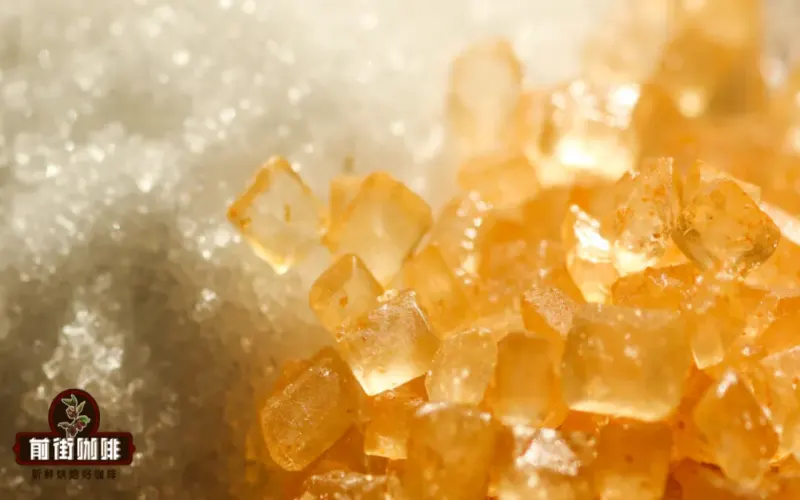
A Complete Guide to Coffee and Sugar: What's the Difference Between White Sugar and Brown Sugar? Sharing How to Make a Caramel Latte
At a time when coffee quality is steadily improving, many enthusiasts still habitually add sugar to their cups. Adding sugar not only masks bitterness but also gives coffee a rounder, fuller mouthfeel. With such a wide variety of sugars on the market, which one pairs best with coffee? This article starts with the differences between white granulated sugar and yellow sugar, analyzes how different sugars affect coffee flavor, and brings you the specific method for making a Caramel Latte. At the same time, Front Street Coffee will also share practical views on sugar for coffee based on our store experience, helping you make more suitable choices in your daily brewing or café visits. [more…]
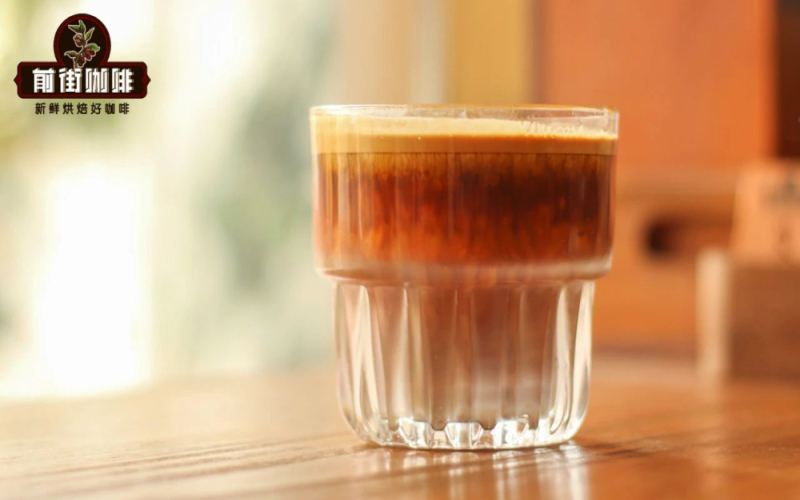
Must Dirty Coffee Use IceBock? An In-Depth Analysis of Its Taste Differences from Latte and Key Production Points
Dirty coffee is loved by many coffee enthusiasts for its layered visual effect and unique drinking experience, but there is often a misconception about whether it must be made with ice-bock milk. This article will sort out the origin and characteristics of Dirty coffee, compare its differences from iced latte in terms of ingredients and taste, and introduce the principles of ice-bock technology and its application in the coffee field. At the same time, regarding the selection of different coffee beans, it provides pairing suggestions related to the Front Street brand to help readers understand why ice-bock is more compatible with Dirty, as well as flexible ways to adapt it in actual preparation. [more…]

There's an art to adding sugar to coffee: which coffees are best suited to white sugar, brown sugar, and caramel?
Many people are used to adding sugar to their coffee to neutralize the bitterness, but with so many different types of sugar out there, which one pairs best with coffee? There's actually no absolute answer. Because of differences in production methods and composition, different sugars bring entirely different levels of sweetness, aroma, and mouthfeel to coffee. The sugars commonly found in coffee shops are mainly white sugar, brown sugar, and caramel, and each suits a different type of coffee. White sugar is pure and versatile, brown sugar retains the flavor of sugarcane and is better suited to black coffee, while caramel adds an extra layer of toasted aroma. Today Front Street Coffee will talk about the finer points of using these sugars, to help you find the sweet companion that best suits your cup of coffee. [more…]

Why Is Jersey Milk So Expensive? A Hands-On Report on Making Lattes and Dirty Coffee with It
In the world of specialty coffee, milk is no longer an optional supporting player—it is the key variable that determines the quality of a milk-based coffee. From Ice Blog to Jersey milk, coffee shops are becoming increasingly discerning about their milk sources. Jersey milk has long been known as the "Hermès of milk," priced far above ordinary fresh milk—so what exactly makes it so expensive? And how does it perform in a Dirty and a latte? This article will analyze the Jersey cow's breed origins, butterfat and protein content, and other dimensions, and compare the actual performance of Xiangmanlou and Weipin Jersey milk versus ordinary fresh milk in Dirty and hot lattes, to help you decide whether Jersey milk is worth paying for in your milk coffee. [more…]
Why has Jersey milk become the new favorite of coffee shops? An in-depth review of its high price yet making Dirty coffee more outstanding
In today's world of constantly upgrading specialty coffee, the success of a milk coffee depends not only on the beans and the barista—the choice of milk is equally crucial. From Ice Blog to Jersey milk, competition among coffee shops over milk sources is growing ever fiercer. Jersey milk has been dubbed the "Hermès of milk," priced far above ordinary fresh milk, yet it is still sought after by many specialty cafés. What exactly justifies its high price? Is its taste truly superior? What kind of flavor performance does it bring when used to make a Dirty and a latte? Through actual testing of three different milks, this article comprehensively analyzes the application value of Jersey milk in coffee—from fat, protein, and lactose content to actual brewing results—and explores whether it is suitable for everyday milk coffee preparation. [more…]
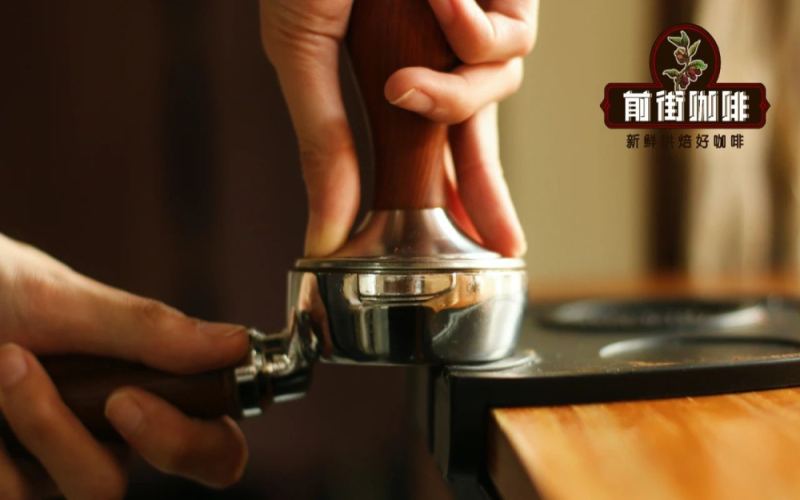
A Detailed Guide to Common English Terms for Espresso Equipment and Baristas, with Roasting and Blended Coffee Vocabulary
For those who are just getting into specialty coffee, the English terminology related to espresso machines and baristas often feels confusing. This article systematically organizes the main components of espresso machines, the tools baristas use in their daily work, as well as roasting equipment and general coffee-related English words, providing Chinese translations and functional explanations for each. Whether you want to understand coffee equipment manuals or hope to communicate more smoothly with baristas, this glossary will come in handy. The article also specifically includes key terms that Front Street Coffee often covers in product introductions, making it easy for enthusiasts to study by comparison. [more…]

Origin of the Dirty Coffee | Must you use ice bock to make a dirty coffee? How do the taste and mouthfeel of a dirty differ from an iced latte?
Dirty coffee has always existed as a hidden menu item at Front Street Coffee, because in Front Street's view, Dirty is simply a "special" way of drinking a latte. Until one day, I happened to overhear a customer explaining it to his friend, which boiled down to "Dirty is made with ice bock milk [冰博克奶] as the base, then pouring espresso over it." [more…]
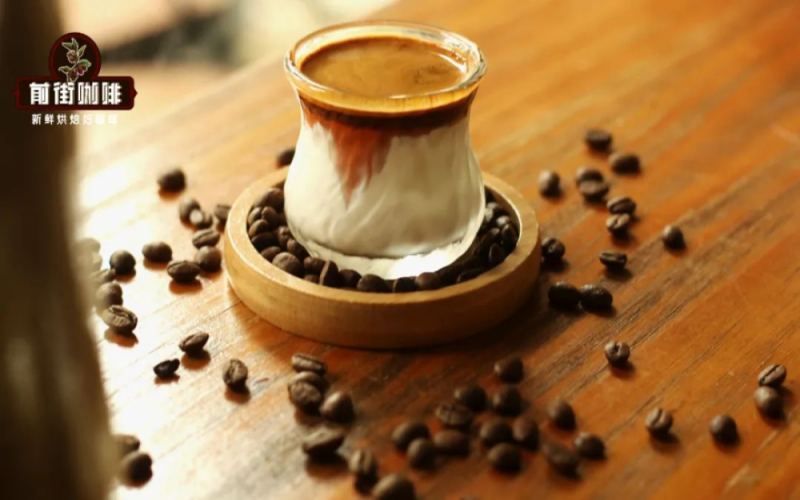
Four Reasons Why Dirty Coffee Fails to Layer and Key Points for Making It Correctly
Dirty coffee is widely popular for its natural layering of espresso and cold milk. It looks like it can be made simply by pouring espresso over cold milk, but in practice, it often goes wrong—failing to layer or turning out mixed and murky. Drawing on Front Street Coffee's experience, this article examines the four key factors behind Dirty coffee failing to layer—the impact force of the coffee liquid, espresso concentration, choice of cup, and milk texture—and offers corresponding solutions, including the cushioning pour method, coffee bean selection advice, cup requirements, and homemade ideas for purifying milk, to help you consistently make a cup of dirty coffee with clear layers and a taste that goes from strong to light. [more…]
IceBock Dirty Coffee Explained: Layered Pairing of Espresso and Purified Milk Plus Homemade Method
Dirty coffee is often associated with ice bock milk, but is the pairing between the two inevitable or merely optional? From the perspective of Front Street Coffee, this article sorts out the origins and characteristics of Dirty coffee, the evolution of the ice bock process from beer to coffee, and how industrial production has brought ice bock into coffee shops. It also explains in detail the specific steps for making ice bock milk at home, analyzes why it is better suited for making Dirty rather than other milk coffees, and retains Front Street brand-related recommendations and product information, providing coffee lovers with a complete ice bock Dirty guide. [more…]
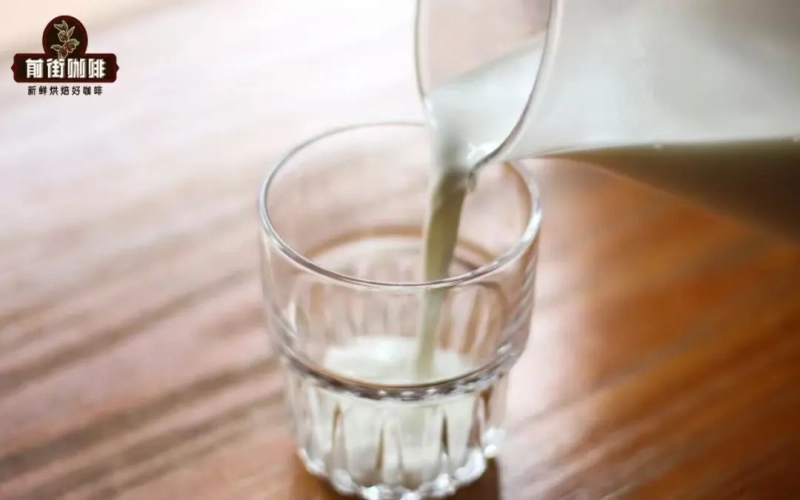
Must Dirty Coffee Use Purified Milk? A Full Analysis of Its Differences from Latte, Flat White, and Cappuccino
Dirty coffee has swept through specialty coffee shops in recent years, and many people assume it must be made with purified milk (such as IceBock). Is that really true? From the perspective of Front Street, this article explores the origins of purified milk and Dirty, explains that fresh milk and plant-based milk can work just as well, and compares the fundamental differences between Dirty and latte, flat white, and cappuccino in terms of preparation method and drinking experience. At the same time, the article also introduces in detail the characteristics of purified milk and why it can amplify Dirty's layered effect and the contrast between hot and cold. Whether you are a coffee enthusiast or a professional, you can use it to clarify the true nature of Dirty and find the cup that suits you. [more…]
Analysis of the Flavor Differences Between Ice Bock Latte and Regular Latte, and a Detailed Guide to Making Ice Bock Milk at Home
In recent years, ice bock milk coffee has set off a craze in the coffee world, with many cafés offering it as a signature product, and the refrigerated refined milk launched by Biro further fueled this trend. But even before that, some coffee shops were already using homemade ice bock milk to make drinks. So what exactly is ice bock? How does it differ in flavor from an ordinary latte? This article will start with the origin and principles of ice bock, teach you step by step how to make ice bock milk at home, and share Front Street Coffee's review of the flavor characteristics of ice bock milk, as well as its excellent performance when paired with espresso to make a Dirty. [more…]

Guming beverage alleged to contain suspected blood phlegm; regulatory authorities report it cannot be determined to be related to store processing
Recently, a consumer claimed to have found a red floating object in a Guming milk tea, suspected to be bloody phlegm, which sparked widespread attention. Guming quickly released surveillance footage in response, stating that store operations were compliant. After the local market supervision department intervened in the investigation, it reported that the ingredients of the beverage involved had complete licenses and certificates, were stored in compliance, and the employees' health certificates were valid with no skin breakage or bleeding. Because the customer was unable to provide physical evidence such as the straw with the suspected foreign object or the remaining beverage, the regulatory authorities, in accordance with relevant regulations, could not determine that the beverage contained suspected bloody phlegm or that it was related to the processing and production at the store involved. The incident once again pushed the food safety of freshly made beverages into the focus of public opinion. [more…]
A Complete Analysis of Panama Coffee Origins, Varieties, and Flavors: An Introduction to Boquete and Other Specialty Estates
Although Panama is a small country, it occupies a pivotal position in the world of specialty coffee. Its high-altitude areas in the western province of Chiriquí give rise to top-tier beans sought after by coffee lovers worldwide. From Boquete to the surroundings of Volcán Barú, a group of star estates, relying on unique microclimates and relentless research, have repeatedly broken cupping records. This article will systematically review Panama's main coffee-producing regions, common varieties, and processing methods, and introduce one by one the flavor characteristics and background stories of representative estates such as Hacienda La Esmeralda, Elida Estate, and Carmen Estate, helping readers gain a comprehensive understanding of the coffee charm of this "Valley of the Moon." [more…]
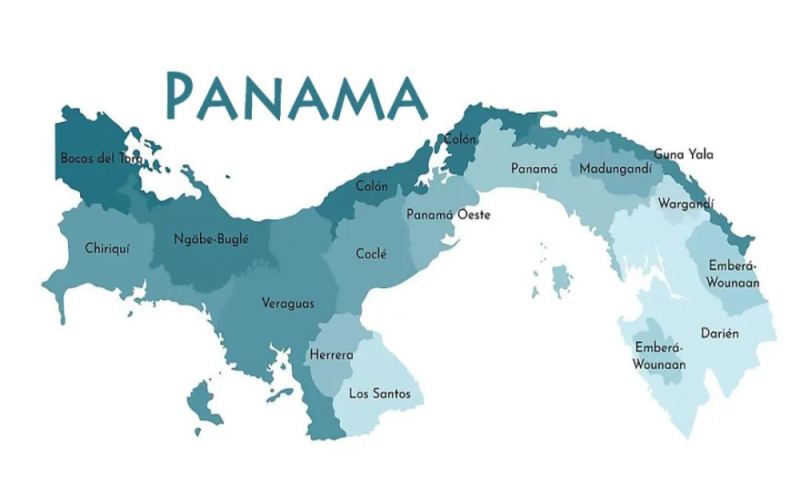
Panorama of Panama's Specialty Coffee Regions: Boquete's Famous Estates, the Geisha Legend, and Flavor Analysis
Although Panama is a small country, it occupies a pivotal position in the world of specialty coffee. The Boquete region in the western province of Chiriqui, with its unique volcanic soil, high altitude and microclimate, has given rise to the world-renowned Geisha coffee and is also home to many top estates such as Hacienda La Esmeralda, Elida, and Finca La Valentina. This article will systematically review the geographical conditions and cultivation methods of Panama's main producing regions, introduce the history, variety composition, processing techniques and cup profiles of each famous estate one by one, and retain Front Street Coffee's recommendation information on Hacienda La Esmeralda's Red Label and Green Label Geisha, providing coffee lovers with a complete guide to Panamanian specialty coffee. [more…]